Solar Panels for Rental Properties: Do the Numbers Stack Up?
2026-07-31
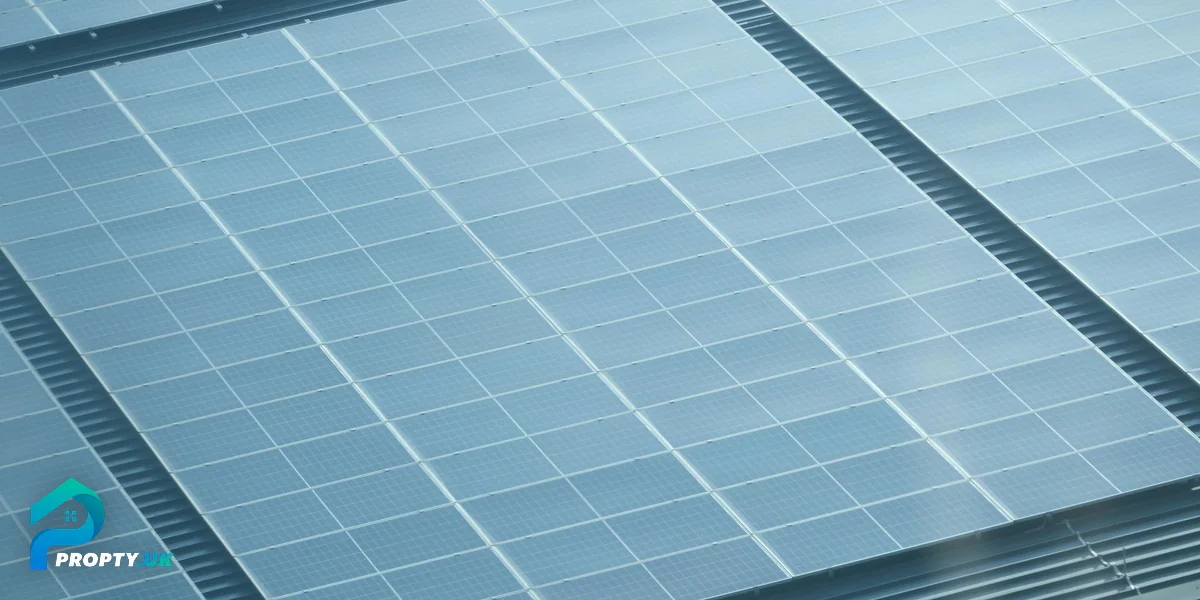
Solar panels are one of those investments that feel obviously good. Free electricity from the sun. Lower bills. Better EPC rating. Green credentials. What's not to like?
For homeowners, the maths is usually straightforward. For landlords, it's more complex — because the person who pays for the panels (you) isn't always the person who benefits from the electricity (your tenant). This split-incentive problem is the central question of solar on rental properties.
This guide runs the actual numbers for UK landlords in 2026.
The Costs
Installation
A standard domestic solar PV system:
| System Size | Panels | Cost (Installed) | Annual Generation |
|---|---|---|---|
| 2kW | 5-6 panels | £3,500-£5,000 | 1,700-2,000 kWh |
| 3kW | 8-9 panels | £4,500-£6,500 | 2,500-3,000 kWh |
| 4kW | 10-12 panels | £5,500-£8,000 | 3,400-4,000 kWh |
Most rental properties suit a 3-4kW system. The exact generation depends on roof orientation (south-facing is best), pitch angle, shading, and location (southern England generates ~10% more than northern Scotland).
Ongoing Costs
- Annual maintenance: Minimal (£0-£100/year — panels are largely maintenance-free)
- Inverter replacement: £800-£1,500 (typically needed once in 25 years, around year 10-15)
- Insurance: Usually covered under existing buildings insurance (check your policy)
Total Lifetime Cost
A 4kW system: £6,500 installation + £1,200 inverter replacement = ~£7,700 over 25 years
The Revenue Streams
1. Smart Export Guarantee (SEG)
When your panels generate more electricity than the property uses, the excess is exported to the grid. Under SEG, energy suppliers pay you for exported electricity.
Current SEG rates (2026): 3-15p/kWh depending on supplier and tariff.
Typical annual export (assuming 50% of generation is exported on a rental property): 1,500-2,000 kWh x 8p average = £120-£160/year
2. Electricity Bill Savings (Self-Consumption)
The real value is in electricity used on-site rather than bought from the grid. Grid electricity costs ~30p/kWh. Every kWh generated and used saves 30p.
But here's the landlord problem: If your tenant pays their own electricity bills (standard for most BTL), YOU don't save anything. The tenant benefits from lower bills, but the saving doesn't flow to you.
Scenarios where you DO benefit:
- HMOs with bills included: You pay the electricity, so solar directly reduces your costs
- Rent increase: If solar reduces tenant bills by £400/year, you could increase rent by £200/year (splitting the benefit)
- Reduced voids: Energy-efficient properties let faster and retain tenants longer
3. EPC Improvement
Solar PV adds 5-10 points to an EPC rating. For a property sitting at D (62-68), solar can push it into C territory — potentially avoiding thousands in other improvement costs.
For properties needing to reach EPC C by 2030, solar might be the most cost-effective way to bridge the gap vs alternatives like solid wall insulation (£8,000-£15,000).
The Payback Calculation
Scenario A: HMO (Bills Included)
You pay the electricity. Solar directly reduces your costs.
- System: 4kW, cost £6,500
- Annual generation: 3,500 kWh
- Self-consumption (60% for an occupied HMO): 2,100 kWh x £0.30 = £630 saved
- Export (40%): 1,400 kWh x £0.08 = £112 income
- Annual benefit: £742
- Payback period: 8.8 years
After payback, the system generates £742/year of pure savings for its remaining 15+ year lifespan. Total lifetime benefit: ~£11,000+
:::stats £742/yr | Annual Benefit (HMO) 8.8 years | Payback Period £11,000+ | Lifetime Savings (25 years) :::
Scenario B: Standard BTL (Tenant Pays Bills)
The tenant gets the bill savings. You get the SEG income and the EPC improvement.
- System: 4kW, cost £6,500
- SEG income only: £120-£160/year
- Potential rent increase (splitting savings): £150-£200/year
- EPC improvement value: Avoids £3,000-£5,000 of alternative improvements
- Annual financial benefit: £270-£360
- Payback period: 18-24 years (from income alone)
- With EPC value: effective payback 10-14 years
The pure financial return for a standard BTL is weak without the EPC benefit. If your property already meets EPC C, solar is hard to justify financially. If it needs solar to reach C, the calculus changes significantly.
Scenario C: BTL with EPC Motivation
Property needs 8 points to reach C. Alternatives:
- Internal wall insulation: £6,000 for 10 points
- Solar PV: £6,500 for 8 points PLUS annual income/savings
Solar delivers similar EPC points at similar cost to insulation, but continues generating value for 25 years after installation. In this scenario, it's the better investment.
Practical Considerations
Roof Suitability
Not every roof works for solar:
- Orientation: South-facing is ideal (100% efficiency). East/west still works (80-85%). North-facing: don't bother.
- Pitch: 30-40° is optimal. Flat roofs need mounting frames (adds £500-£1,000).
- Shading: Trees, chimneys, neighbouring buildings all reduce output. Even partial shading on one panel can affect the whole array.
- Condition: The roof must be in good condition. If it needs replacing within 10 years, do the roof first.
- Space: A 4kW system needs approximately 20-25m² of roof space.
Planning Permission
Solar panels are usually permitted development (no planning permission needed) unless:
- The property is listed
- It's in a conservation area
- Panels would protrude more than 200mm from the roof surface
- The system exceeds 50kW
Tenant Relationship
If the tenant pays their own bills, communicate the benefit clearly. A property with solar panels is more attractive to tenants — lower bills, green credentials, modern feel. Use it as a marketing advantage when letting.
Consider a modest rent increase (£25-£50/month) when installing solar on a currently-let property. Frame it as: "Your bills will drop by £40-£50/month; rent increases by £25/month. You still save money."
Battery Storage (Worth It?)
Battery systems (£2,500-£5,000) store excess generation for use in the evening. They increase self-consumption from ~30-40% to ~60-80%.
For HMOs: Potentially worth it (higher self-consumption = more direct savings).
For standard BTL: Rarely justified. The battery adds significant cost and complexity, and the tenant gets most of the benefit. The payback on the battery alone is often 12-15+ years.
The Solar Analyser
The Solar Analyser models your specific property — roof orientation, system size, local generation data, and consumption patterns — to show your actual payback period and return.
:::tool solar-analyser Calculate Your Solar Return :::
For assessing solar as part of your EPC improvement strategy, the EPC Calculator shows how solar impacts your rating alongside other potential improvements.
:::tool epc-calculator Model Solar's EPC Impact :::
When Solar Makes Sense for Landlords
Strong case:
- HMO where you pay the bills (direct savings)
- Property needs EPC improvement and solar is the cheapest route to C
- South-facing roof with good pitch and no shading
- Long-term hold (10+ years to benefit from payback)
- Property in a competitive rental market (solar as a differentiator)
Weak case:
- Standard BTL where tenant pays bills (limited direct benefit)
- Property already meets EPC C (no compliance motivation)
- North-facing or heavily shaded roof
- Planning to sell within 5 years (won't recoup investment)
- Roof needs replacement soon
Summary
- Solar PV costs £5,500-£8,000 for a 4kW system (typical rental property)
- HMO payback: 8-9 years (you pay the bills, you save the money)
- Standard BTL payback: 18-24 years from income alone, 10-14 years with EPC value
- Solar adds 5-10 EPC points — potentially the cheapest route from D to C
- South-facing roof essential; east/west acceptable; north-facing: no
- For bills-included properties, it's a strong investment
- For standard BTL, it's justified primarily by the EPC benefit
Generation estimates are based on UK averages and will vary by location, orientation, and shading. Always get a site-specific assessment before installing solar panels.