HMO Fire Safety Requirements UK: What You Need to Know
2026-09-18
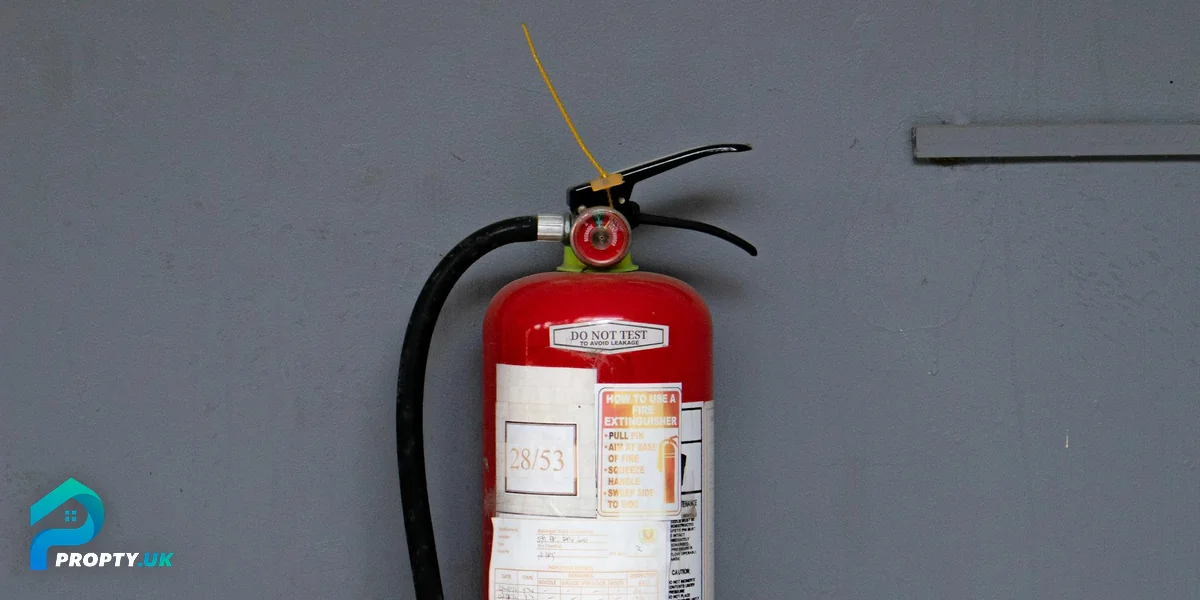
Fire safety in HMOs isn't a box-ticking exercise. Multiple unrelated people sharing a building creates genuine risk — a fire in one room can trap tenants in another. The regulations exist because people have died in HMO fires. Take them seriously.
This guide covers every fire safety requirement for licensed HMOs in England, with costs and practical implementation advice.
The Fire Risk Assessment
Every HMO must have a documented fire risk assessment (FRA). This is your starting document — everything else flows from it.
What it covers:
- Identification of fire hazards (ignition sources, fuel sources, oxygen)
- People at risk (tenants, visitors, people with mobility issues)
- Existing fire safety measures and their adequacy
- Risk rating for each area
- Action plan for any deficiencies
- Review date
Who does it: You can do it yourself using government templates, but for HMOs, a professional FRA from a qualified fire risk assessor is strongly recommended.
Cost: £150-£400 (professional assessment)
Frequency: Reviewed annually and updated after any significant changes (new room, layout change, new hazard).
[!warning] The FRA is a legal requirement, not optional Under the Regulatory Reform (Fire Safety) Order 2005, the "responsible person" (you, the landlord) must ensure a suitable and sufficient fire risk assessment is in place. Failure to have one is a criminal offence. Fines are unlimited, and in serious cases, imprisonment is possible.
Fire Detection and Alarm Systems
The Minimum Standard
All HMOs need mains-wired, interlinked fire detection on every level:
| Detector Type | Location | Required? |
|---|---|---|
| Smoke detector (optical) | Every hallway/landing on every floor | Yes — mandatory |
| Smoke detector | Every bedroom | Recommended (mandatory in some councils) |
| Heat detector | Kitchen | Yes — mandatory (smoke detectors false-alarm in kitchens) |
| Carbon monoxide alarm | Every room with a gas appliance | Yes — mandatory since 2022 |
"Mains-wired and interlinked" means:
- Powered by the mains electricity (not battery-only)
- Battery backup (in case of power failure)
- When one detector activates, ALL detectors sound throughout the property
Alarm Grades
Councils specify the alarm grade based on property size and risk:
| Grade | What It Is | Typical Use |
|---|---|---|
| Grade D1 | Mains-wired, interlinked, battery backup | Small HMOs (3-4 tenants, 1-2 storeys) |
| Grade A | Full fire alarm system with control panel, break glass points, sounders | Larger HMOs (5+ tenants, 3+ storeys) |
| Grade A with LD2 coverage | Grade A covering escape routes + high-risk rooms | Most licensed HMOs (5+ beds) |
Cost:
- Grade D1 (retrofit, 3-bed house): £300-£600
- Grade A LD2 (5-bed HMO): £1,500-£3,000
- Annual testing/maintenance: £100-£200
Your council's licensing conditions will specify which grade is required. Don't guess — check.
Fire Doors
Fire doors are mandatory on:
- Every bedroom (sleeping room)
- The kitchen
- Any room opening onto the escape route
- Under-stair cupboards
The Specification
| Requirement | Standard |
|---|---|
| Rating | FD30S minimum (30 minutes fire resistance, S = smoke sealed) |
| Intumescent strips | Yes — around door edges (expand in heat to seal gaps) |
| Cold smoke seals | Yes — brush or rubber seal to prevent smoke spread |
| Self-closing device | Yes — door must close fully by itself when released |
| Glazing | If present, must be fire-rated glass |
| Letterbox | Not permitted on fire doors (no cut-outs) |
| Hinges | 3x fire-rated hinges minimum |
| Gap at bottom | Maximum 8mm (for ventilation, while containing smoke) |
Cost Per Door
| Item | Cost |
|---|---|
| FD30S fire door (supplied) | £120-£250 |
| Intumescent strips + smoke seals | £15-£30 |
| Self-closer (overhead or concealed) | £20-£50 |
| Installation (including frame adjustment) | £80-£150 |
| Total per door (fitted) | £235-£480 |
A 5-bed HMO typically needs 6-7 fire doors (5 bedrooms + kitchen + potentially bathroom): £1,400-£3,400 total.
[!tip] Self-closers are the most-failed inspection item Tenants remove or disable self-closing devices because they find them annoying. During inspections, every fire door must close fully on its own. Use concealed self-closers (less visible, harder to tamper with) and explain to tenants why they matter.
Emergency Lighting
Required in HMOs where the escape route doesn't have adequate natural lighting, or in any HMO of 3+ storeys:
| Area | Requirement |
|---|---|
| Corridors and hallways | Emergency lighting units at intervals |
| Stairwells | Emergency lighting on each level |
| Exit doors | Illuminated exit signs above final exit doors |
| Communal areas used for escape | Emergency lighting as needed |
Type: Self-contained emergency lighting units with battery backup that activate automatically when mains power fails. Must provide illumination for minimum 3 hours.
Cost:
- Per unit (bulkhead or recessed): £40-£80
- Installation per unit: £30-£60
- Typical 5-bed HMO (6-8 units): £420-£1,120
- Annual testing: £50-£100
Protected Escape Routes
The escape route (from every bedroom to the final exit) must be protected:
Requirements:
- Fire doors on all rooms opening onto the route
- Walls and ceilings of escape route to be fire-resistant (30 minutes minimum)
- No storage in escape routes (no bikes in hallways, no boxes on landings)
- Route must be clear and unobstructed at all times
- Stair coverings must not increase fire spread (avoid certain synthetic carpets)
Common failures:
- Understairs cupboard without a fire door (common fire risk — stored items + gas meter + electrical supply)
- Open-plan kitchen/living room on the escape route (requires separation or alternative escape)
- Meters and fuse boxes located in the escape route without fire protection
Fire Safety Equipment
Kitchen
| Item | Cost | Requirement |
|---|---|---|
| Fire blanket (1.2m x 1.2m minimum) | £10-£20 | Mandatory |
| Dry powder extinguisher (2kg) | £20-£40 | Recommended (some councils mandate) |
| Heat detector (not smoke) | £20-£40 | Mandatory |
Escape Route
| Item | Cost | Requirement |
|---|---|---|
| CO2 or dry powder extinguisher | £25-£50 | Recommended on each level |
| Fire action notices | £5-£10 each | Mandatory at each level |
| Assembly point signage | £5-£10 | At final exit |
Ongoing Compliance
Fire safety isn't a one-time installation — it requires regular testing and maintenance:
| Task | Frequency | Who Does It |
|---|---|---|
| Test smoke alarms (press test button) | Weekly | Tenant or landlord |
| Emergency lighting function test | Monthly | Landlord or agent |
| Full fire alarm system service | Annually | Qualified engineer |
| Emergency lighting duration test (3hr) | Annually | Qualified engineer |
| Fire extinguisher service | Annually | Specialist company |
| Fire risk assessment review | Annually | Landlord or assessor |
| Fire door inspection | Every 6 months | Landlord or agent |
Annual fire safety compliance cost: £200-£500 per HMO.
What Happens If You Don't Comply
| Offence | Penalty |
|---|---|
| No fire risk assessment | Unlimited fine + potential imprisonment |
| Inadequate fire detection | Improvement notice → prohibition notice → prosecution |
| Missing/defective fire doors | Licence revocation + fine |
| Blocked escape routes | Improvement notice → prohibition notice |
| Causing death through non-compliance | Manslaughter charge (maximum: life imprisonment) |
Councils enforce through environmental health officers who inspect during licence applications and conduct random inspections. Non-compliance is taken extremely seriously because the consequences of a fire in a non-compliant HMO are catastrophic.
Budget Summary
Typical fire safety installation cost for a 5-bed HMO:
| Item | Cost |
|---|---|
| Fire risk assessment | £250 |
| Alarm system (Grade A LD2) | £2,000 |
| Fire doors (6-7) | £2,100 |
| Emergency lighting | £700 |
| Fire blanket + extinguishers | £80 |
| Signage | £30 |
| Total installation | £5,160 |
| Annual maintenance | £300-£500 |
Factor this into your conversion budget and annual running costs. For the full HMO conversion cost guide, see Converting a House to an HMO.
The HMO Compliance tool checks whether your property meets fire safety and space standards before you apply for a licence.
:::tool hmo-compliance Check Your Fire Safety Compliance :::
Summary
- Fire risk assessment: mandatory, reviewed annually, document it
- Mains-wired interlinked detection on every floor: minimum standard
- Grade A system for most licensed HMOs (5+ beds): £1,500-£3,000
- FD30S fire doors on every bedroom + kitchen: £235-£480 each
- Emergency lighting in escape routes: required for 3+ storey HMOs
- Protected escape route: fire doors, fire-resistant construction, no storage
- Annual compliance testing: £300-£500
- Penalties for non-compliance: unlimited fines, licence revocation, prosecution
Fire safety is the line you never cross. Budget it, install it properly, maintain it religiously, and document everything. The cost of compliance is a fraction of the cost of a fire.
This guide covers England. Scotland, Wales, and Northern Ireland have separate fire safety regulations for HMOs. Always verify requirements with your local authority and fire risk assessor.