Heat Pumps vs Gas Boilers: What Landlords Need to Know in 2026
2026-10-06
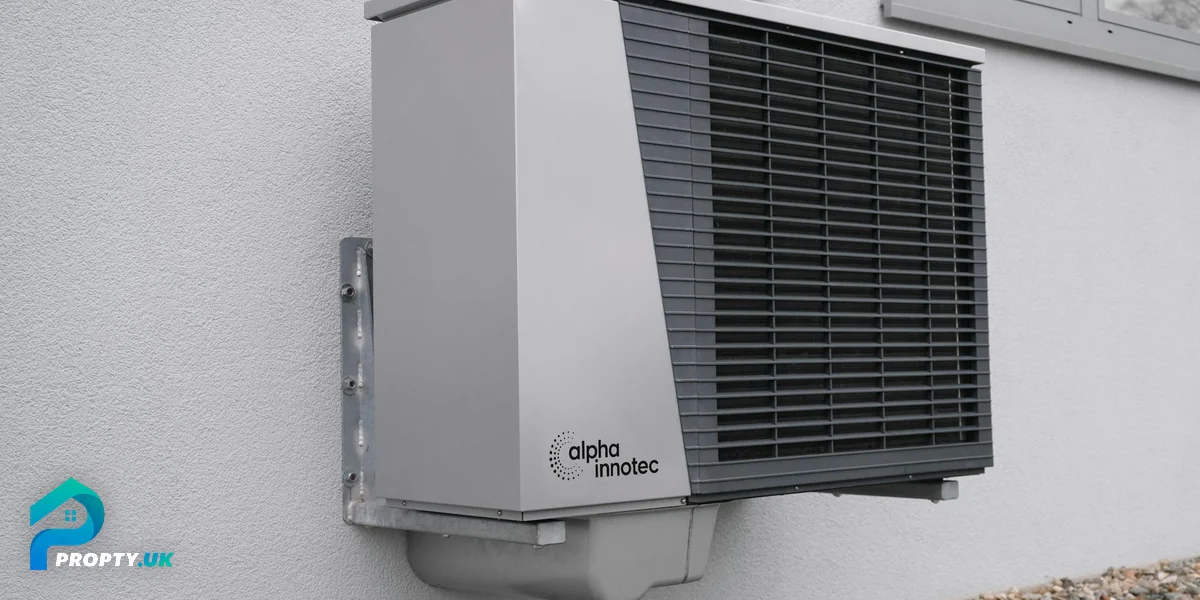
Heat pumps are the government's preferred future for home heating. Gas boilers are what 85% of UK homes currently use. For landlords making heating decisions in 2026 — whether replacing a broken boiler, renovating a property, or planning EPC improvements — the choice between the two has major implications for cost, EPC rating, and long-term value.
This is not an ideological guide. It's a financial one. Which option makes more sense for your rental property today?
The Basics
Gas Boiler (Combi)
Burns natural gas to heat water directly. Hot water on demand, no storage tank needed. The standard UK heating system for 30+ years.
- Cost (installed): £2,000-£3,500
- Lifespan: 12-15 years
- Annual running cost (3-bed house): £800-£1,200
- Efficiency: 90-94% (modern condensing)
- EPC impact: A-rated boiler scores well; older boilers drag EPC down
Air Source Heat Pump (ASHP)
Extracts heat from outside air and amplifies it using electricity. Works like a fridge in reverse. Provides heating and hot water via a water circuit (radiators or underfloor heating).
- Cost (installed): £8,000-£15,000
- Lifespan: 20-25 years
- Annual running cost (3-bed house): £500-£900
- Efficiency: 250-350% (COP 2.5-3.5 — produces 2.5-3.5x more heat than electricity consumed)
- EPC impact: Significant boost (renewable technology scores highly in SAP calculation)
:::stats £2,500 | Avg Gas Boiler Cost (Installed) £11,000 | Avg Heat Pump Cost (Installed) £8,500 | Cost Difference 20+ years | Heat Pump Lifespan :::
The Financial Comparison
Installation Cost
| Gas Boiler | Heat Pump | Difference | |
|---|---|---|---|
| Unit + installation | £2,500 | £11,000 | +£8,500 |
| BUS grant (Boiler Upgrade Scheme) | N/A | -£7,500 | |
| Net cost after grant | £2,500 | £3,500 | +£1,000 |
The Boiler Upgrade Scheme (BUS) provides a £7,500 grant towards heat pump installation. With the grant, the cost difference narrows to approximately £1,000. Without the grant (if the scheme ends or you don't qualify), the gap is £8,500.
[!tip] The BUS grant transforms the economics Without the £7,500 grant, heat pumps rarely make financial sense for BTL properties. With it, they become competitive. Check eligibility (the property must have a valid EPC, and you must own the property) and apply before the scheme closes.
Running Costs
| Gas Boiler | Heat Pump | |
|---|---|---|
| Fuel cost per kWh | ~7p (gas) | ~25p (electricity) |
| Efficiency | 92% | 300% (COP 3.0) |
| Effective cost per kWh of heat | ~7.6p | ~8.3p |
| Annual heating cost (3-bed, 12,000 kWh heat demand) | ~£910 | ~£1,000 |
At current UK energy prices, the running cost is almost identical. Gas is cheaper per unit, but the heat pump's efficiency (producing 3x more heat per unit of electricity) largely closes the gap.
If electricity prices fall relative to gas (as expected with increasing renewable generation), heat pumps become cheaper to run. If gas prices spike (as happened in 2022 and again in 2026), heat pumps win significantly.
10-Year Total Cost of Ownership
| Gas Boiler | Heat Pump (With Grant) | Heat Pump (No Grant) | |
|---|---|---|---|
| Installation | £2,500 | £3,500 | £11,000 |
| Running costs (10 years) | £9,100 | £10,000 | £10,000 |
| Maintenance (10 years) | £1,000 | £1,500 | £1,500 |
| Total 10-year cost | £12,600 | £15,000 | £22,500 |
With the grant: Heat pump costs £2,400 more over 10 years. But it lasts 10-15 years longer than the boiler, so the lifetime cost is actually lower.
Without the grant: Heat pump costs £9,900 more over 10 years. Hard to justify on running cost savings alone.
EPC Impact
This is where heat pumps pull ahead for landlords facing the 2030 EPC C deadline.
| Gas Boiler (New) | Heat Pump | |
|---|---|---|
| EPC score improvement | +5 to +10 points (if replacing old boiler) | +10 to +20 points |
| Renewable energy bonus | None | Yes (SAP rewards renewables) |
For a D-rated property needing 10-15 points to reach C, a heat pump alone might bridge the gap. A new gas boiler might get you 5-8 points — not enough on its own.
If the alternative to a heat pump is a gas boiler PLUS £5,000 of insulation to reach the same EPC score, the heat pump starts looking cheaper (with the grant).
:::tool epc-calculator Compare Heating Options for EPC :::
Practical Considerations for Landlords
Property Suitability
Heat pumps work best in well-insulated properties. In a draughty Victorian terrace with single glazing, a heat pump will struggle to maintain comfortable temperatures and will cost more to run.
Minimum requirements for effective heat pump operation:
- Loft insulation to current standards (270mm)
- Cavity wall insulation or reasonable wall insulation
- Double glazing throughout
- Reasonable draught-proofing
If your property needs significant insulation work anyway (for EPC compliance), doing the insulation FIRST and then installing a heat pump is the most effective approach.
Radiator Sizing
Heat pumps operate at lower water temperatures than gas boilers (35-45°C vs 60-80°C). This means radiators may need to be larger to deliver the same heat output.
Options:
- Oversize radiators when installing (£50-£100 extra per radiator)
- Use underfloor heating (ideal for heat pumps but expensive to retrofit)
- Run the heat pump at higher temperatures (reduces efficiency)
The BTU Calculator sizes radiators for any heat source, including heat pump flow temperatures.
:::tool btu-calculator Size Radiators for Heat Pump Temperatures :::
External Unit
Air source heat pumps require an external unit (similar in size to a large air conditioning unit). This needs:
- Space outside (minimum 300mm clearance around the unit)
- Planning consideration (PD allows one ASHP per property, but noise limits apply)
- Not directly below a bedroom window (noise, typically 40-50 dB)
Tenant Education
Heat pumps operate differently from gas boilers. Tenants need to understand:
- Don't turn the heating off and on — leave it on at a lower temperature (heat pumps work best with constant, low output)
- Don't crank the thermostat to 25°C — this forces the heat pump to work harder and less efficiently
- Hot water takes longer to heat than a gas combi — this is normal
A tenant information sheet prevents complaints and ensures the system runs efficiently.
Maintenance
| Gas Boiler | Heat Pump | |
|---|---|---|
| Annual service | £80-£120 (legally required for gas safety) | £100-£200 (recommended, not legally required) |
| Gas safety certificate | Required annually | Not applicable |
| Common repairs | Heat exchanger, pump, diverter valve | Refrigerant top-up, fan motor |
| Warranty | 5-10 years (most manufacturers) | 5-12 years |
Heat pumps have fewer moving parts and no combustion, so they tend to be more reliable. But when they do fail, repairs are specialist and more expensive.
The Landlord Decision Matrix
| Your Situation | Best Choice | Why |
|---|---|---|
| Replacing a broken boiler (no EPC issue) | Gas boiler | Cheapest, fastest, familiar |
| Need EPC improvement AND new heating | Heat pump (with grant) | Two problems solved in one |
| Well-insulated new build | Heat pump | Ideal conditions, low running cost |
| Poorly insulated older property | Gas boiler + insulate first | Heat pump won't perform without insulation |
| HMO (you pay bills) | Heat pump (with grant) | Lower running costs benefit you directly |
| Standard BTL (tenant pays bills) | Gas boiler | You pay for installation, tenant gets savings |
| BUS grant available | Strongly consider heat pump | Cost difference is only ~£1,000 with grant |
| BUS grant not available | Gas boiler | £8,500 gap is hard to justify |
Summary
- Gas boiler: £2,500 installed, proven, familiar, adequate EPC with modern condensing unit
- Heat pump: £11,000 installed (£3,500 with BUS grant), higher EPC impact, lower long-term cost
- Running costs are now roughly similar (gas slightly cheaper, but heat pump efficiency compensates)
- The BUS grant transforms the decision — with it, heat pumps are competitive; without it, they're expensive
- Heat pumps need well-insulated properties to work effectively — insulate first
- For EPC compliance: heat pumps deliver 10-20 points vs 5-10 for a boiler replacement
- For HMOs where you pay bills: heat pumps reduce YOUR costs directly
- Gas boilers are not being banned yet — they remain the pragmatic choice for most BTL properties in 2026
Energy costs, grants, and technology change rapidly. Check current BUS grant availability and energy prices before making a heating decision. Always consult a qualified heating engineer for property-specific advice.